


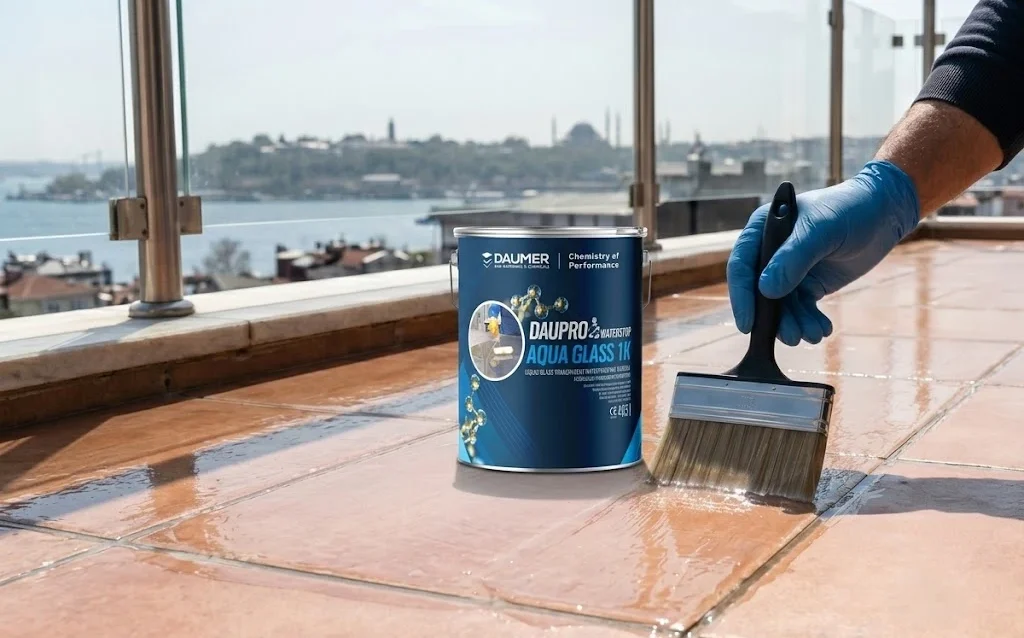
When a balcony or terrace leaks into the lower floor, the traditional reflex is to tear up the tiles and start over. However, this method introduces high contractor expenses, massive rubble dust, and severe project delays. Furthermore, preserving the aesthetic value…
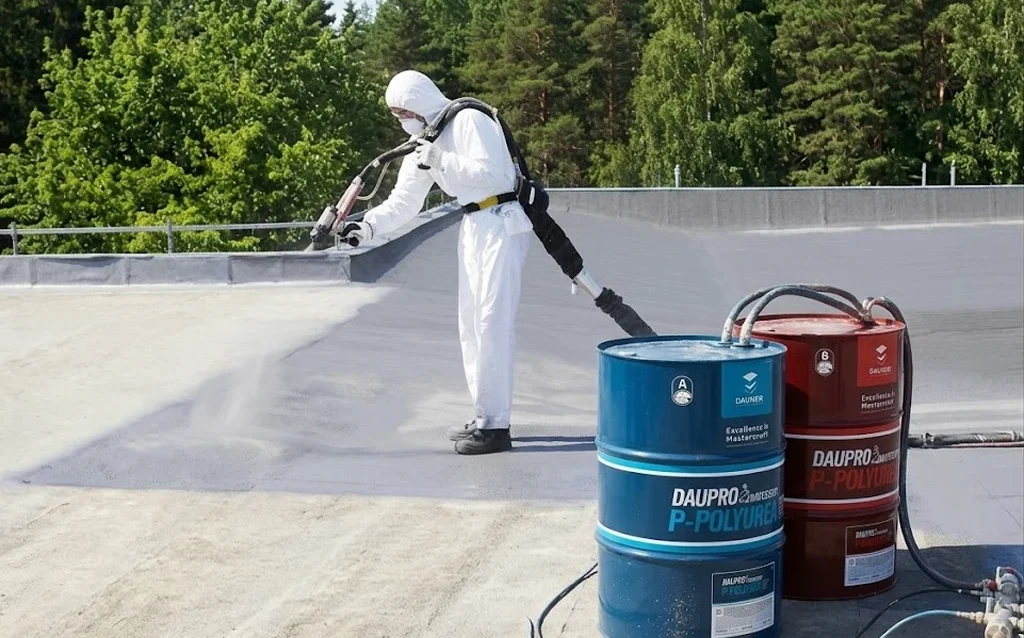
Seamless Roof Waterproofing: Pure Polyurea and Polyurethane Technologies
On large-scale industrial roofs, factory decks, and high-load parking structures, the joint overlaps represent the primary point of failure for waterproofing. Seams, flashing terminations, and drainage edges naturally separate over time due to intense mechanical shifts and weathering. Delivering structural flexibility,…
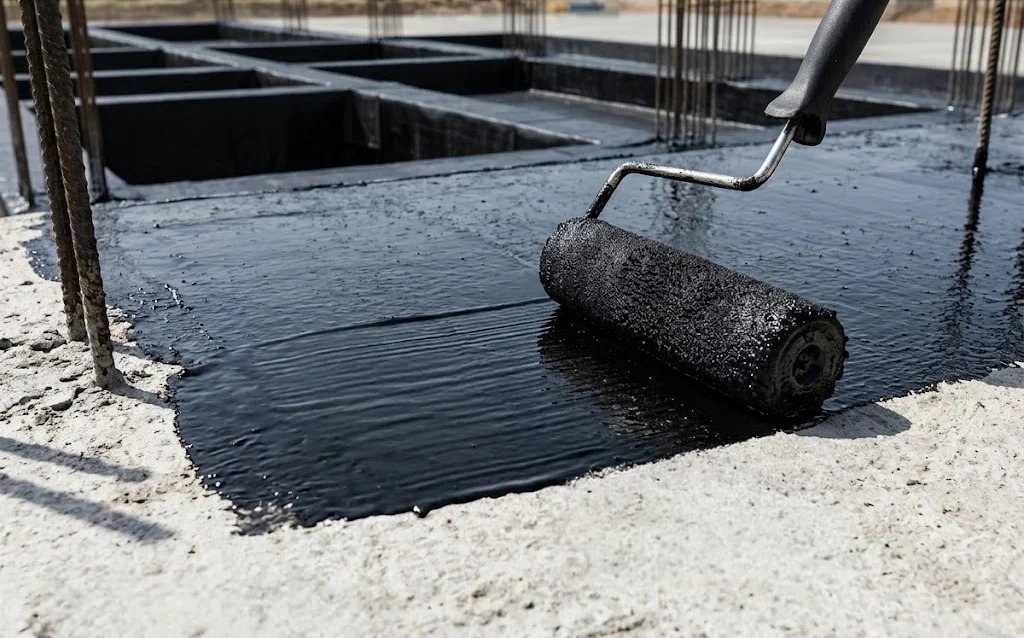
Is Protection Concrete Mandatory in Foundation Waterproofing? Next-Gen Proof Membranes
Traditional below-slab tanking requires a complex sequence: pouring lean concrete, priming, torching two layers of bitumen sheets, and adding a “protection concrete” layer to shield the membrane from rebar damage. This consumes valuable schedule time and adds heavy material expenses. Furthermore,…
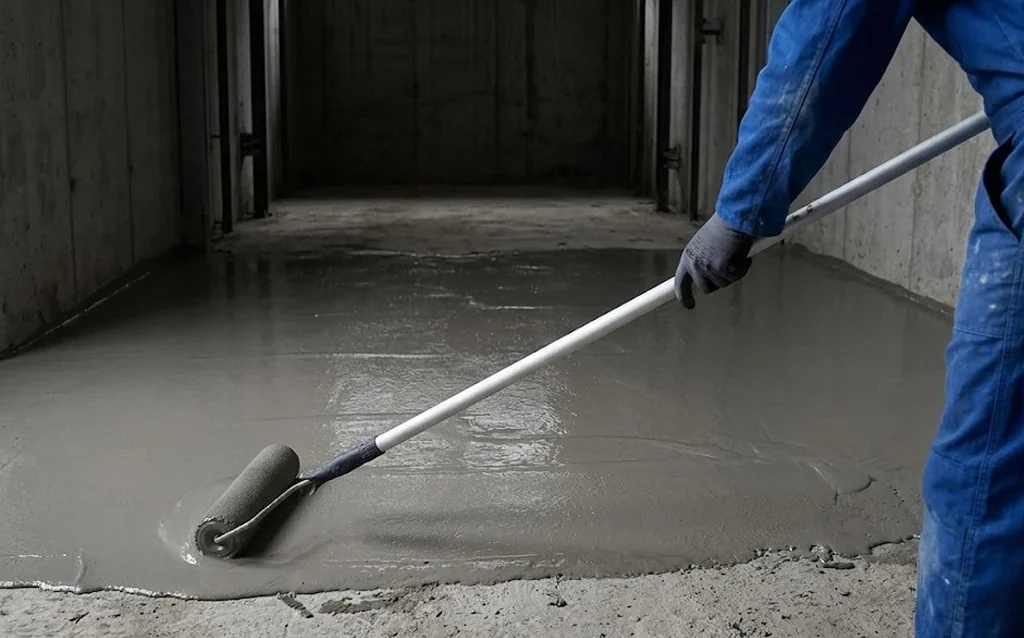
What is Negative and Positive Waterproofing? Elevator Pits and Pool Solutions
One of the most complex challenges in structural engineering is managing hydrostatic pressure direction. While swimming pools and reservoirs experience internal-to-external (positive) pressure, structures like elevator pits, basement walls, and retaining systems suffer from groundwater pushing from the outside inward (negative)…
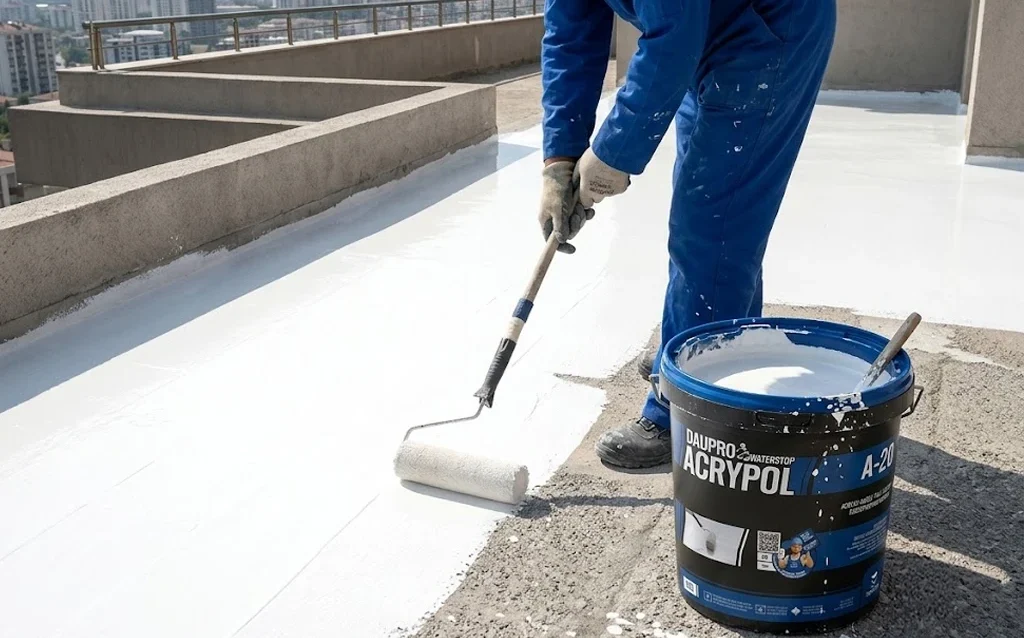
How to Waterproof Sun-Exposed Roofs: Elastomeric Liquid Membranes
Exposed roof terraces, parapets, and hidden gutters act as severe environments for generic coatings. Continuous UV radiation dries out standard sealants, causing yellowing, embrittlement, and micro-cracking. Furthermore, if these areas experience light pedestrian traffic, mechanical friction tears the waterproofing skin, generating…